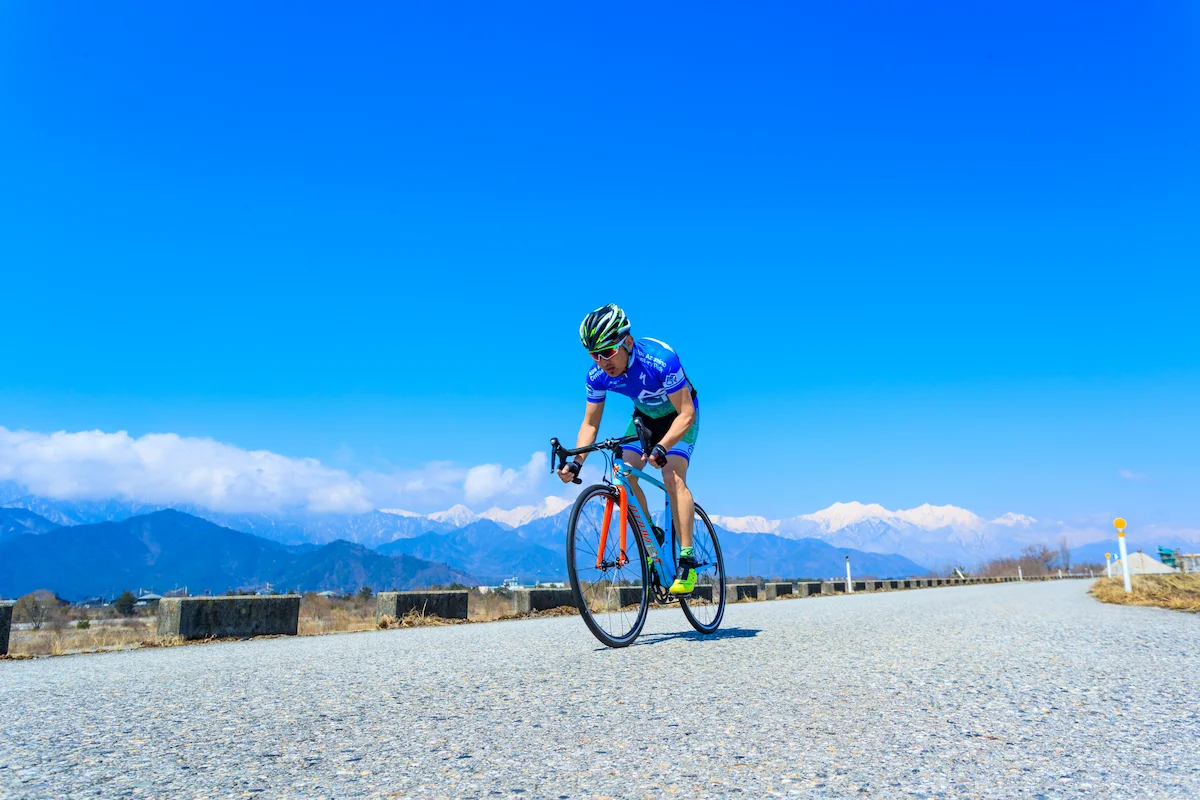

Raita Suzuki, ex-Olympic cyclist, team-manager, and owner of his own bike shop, on the high-end e-bike brands you should know about.
What Makes an E-bike High-end/ Luxury?
When it comes to high-end e-bikes, the first thing you’ll notice is that they’re lighter. Structurally, an e-bike is essentially a standard pedal bike, but being equipped with a motor and battery can make them considerably heavier. Weight is therefore a massive differentiator for the quality of an e-bike.
As well as structural differences in the motor and battery, high-end e-bikes feature components such as wheels, handlebars, and gears made from lightweight materials.
You’ll notice this right away when you ride one.
Cruising at high speeds on flat roads becomes much easier, and when ‘dancing’, standing up to pedal, the bike feels incredibly light, giving you a sense of agility you won’t get with heavier models.
Japan’s History of the E-bike
Mass e-bike production began in Japan in 1993, around 20 years before taking hold in Europe and the US.
While the idea of the electric bicycle itself dates back to a US patent from the late 19th century, Japan was clearly ahead of any other country in the world in terms of practical application, mass production, and integration of e-bikes into daily life.
In 2010, Bosch launched “eBike Systems” in Germany, leading to explosive growth in adoption of e-bikes globally. Shortly after in Japan, sports-oriented e-bikes began to gain traction with the 2015 release of Yamaha’s “YPJ-R.”
This marked the debut of Japan’s first domestically produced road bike-style e-bike, and by 2018, various manufacturers had released their own sports e-bikes, leading many to refer to that year as the “first year of the e-bike.”
Since then, manufacturers have gradually been announcing new products, with each new model offering improved battery life, smoother assistance, and lighter weight designs.
How are E-bikes Different in Japan?
Today, the difference between e-bikes from Japan and other countries lies primarily in the assist ratio.
Almost all regulations worldwide are defined by the maximum motor output + the speed at which assist stops. In fact, Japan is the only country that uses a system where the assist ratio decreases in proportion to speed.
As shown in the table below, a characteristic of Japan’s system is that the assist is slightly weaker. However, this poses no problems as the assist provides solid support at low speeds when it is needed most, situations such as climbing steep hills or starting from a stop.
Another difference in Japan’s e-bike scene is the prevalence of the “mama-chari” bike, more commonly known overseas as “commuter bikes”. This has meant that widespread adoption of mama-chari e-bikes began relatively early on compared to the rest of the world, resulting in greater choice for this category of commuter friendly e-bikes.
| Region | Regulatory System | Power Limit | Maximum Assist/ Speed | Features |
| Japan | Assist Ratio System (speed-dependent power reduction) | No regulations | 24km/h | The world’s only assist ratio system. Fully electric models are not permitted |
| EU | Power Limit (EN 15194 / EPAC) | 250W | 25km/h | No restrictions on assist ratio. Falls under the category requiring no license. Speed pedelecs with a top speed of 45 km/h are subject to separate standards and require a license. |
| US | 3-Class System (based on state laws) | 750W(federal definition) | 32 km/h (Class 1 & 2) 45 km/h (Class 3) | Class 1 = pedal assist only; Class 2 = throttle permitted; Class 3 = pedal assist up to 28 mph |
| Canada | Power Limit | 500W | 32km/h | Different standards from the United States |
| China | Mandatory National Standard GB 17761 | 400W | 25km/h | Pedaling is required, but fully electric operation is permitted (as an alternative to mopeds). New standard GB 17761-2024 takes effect September 1, 2025 (power cutoff upon exceeding speed limit, plastic content limited to 5.5% or less, enhanced anti-tampering measures, etc.) |
The Top Models for High-end E-bikes in 2026
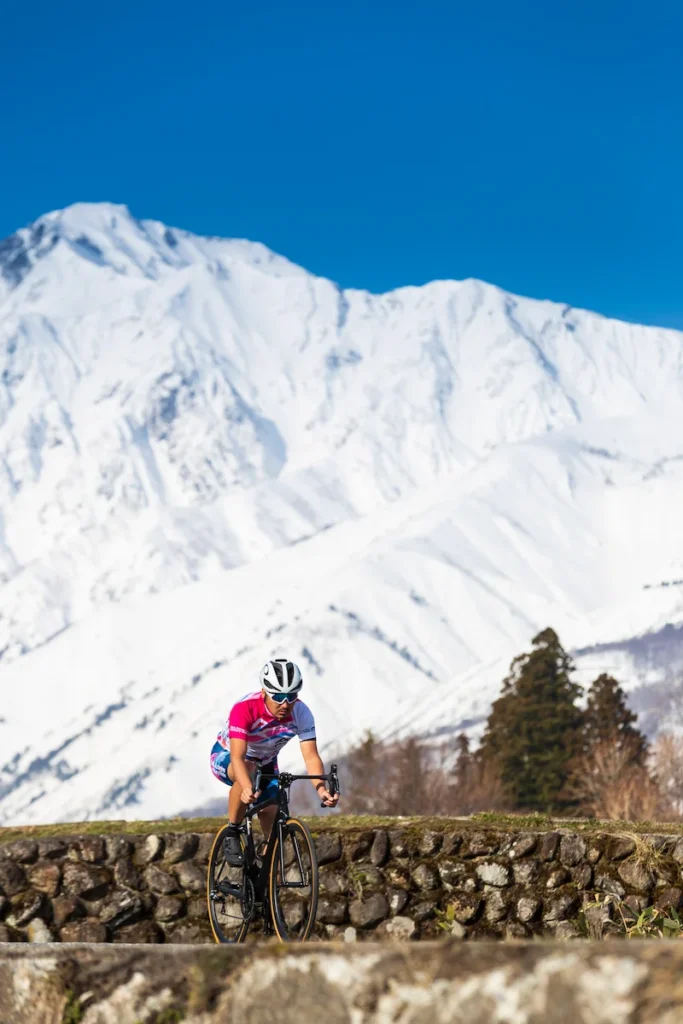
From Raita’s experience, the top performing e-bike brands on the market he recommends are “ORBEA” and “SPECIALIZED.”
He recommends two models in particular, for those looking for the best e-bike performance.
1. ORBEA Gain
One of the main pros of the Orbea Gain model is the rear hub motor system which provides a more natural riding feel compared to other high-end e-bikes.
This is compounded by the absence of motor resistance at the speed at which the assist cuts off (24 km/h) which allows you to make full use of the assist on mountain passes and uphill climbs, while riding under your own power on flat roads.
This means it is a great bike for those who want flexibility switching between the power of the assist, and value the feel of riding a regular bike, that also lets you access more challenging climbs without straining yourself.
Another fun feature of this model is that ORBEA’s ‘MyO’ system lets you customize the color. Since you can create a design that’s unique and exactly to your preferences, the bike comes to feel like your own.
2. SPECIALIZED Turbo Creo 2
The Specialized Creo is characterized by a very compact motor and lightweight design which has made it an incredibly popular e-bike. Another reason for its popularity is that the assist feels smoother and quieter even at low speeds.
As well as this, the frame-integrated battery design makes the bike look like a regular bicycle at first glance, making it more refined than other e-bikes on the market.
This model has become especially widespread in Japan with the rise in e-bikes, likely due to its lightweight nature, design, and the fact that Specialized has a Japanese subsidiary which provides attentive customer service even after purchase.
Since e-bikes are essentially battery-powered electronic devices, having access to long-term after-sale service can be extremely valuable if you lack confidence in e-bike maintenance.
S-Works Turbo Creo 2 – SRAM RED/XX1 Eagle AXS
What is on the Horizon for E-bikes in the Near Future?
Raita explains that currently, there is a trade-off of two main characteristics of e-bikes.
First is weight reduction, making bikes lighter without sacrificing current performance. This applies to pedal bikes as well, and it’s arguably a perennial theme in the cycling world.
The other is longer battery life. While simply making the battery larger would solve this issue, this would also increase the weight of bikes.
New technologies that make e-bikes capable of both, making e-bikes lighter than they are now while enabling them to travel longer distances, are therefore the next challenge for the e-bike industry.