Award winning mountain guide Yukie Sawada’s secrets for catching the best of the fall colours.
For the best autumn leaves in Japan, look no further than the Japanese Alps. Here, the different elevations and landscapes within Nagano prefecture allow you to experience different ‘stages of autumn’ all in the same trip.
As well as the unparalleled fall foliage, experience the rituals of Japan’s countryside in autumn through Nagano’s fresh harvest crops, outdoor onsen, and boutique mountain lodges.
The Best Ways to see Autumn Leaves in Japan
A Tour of Autumn Leaves By Bike
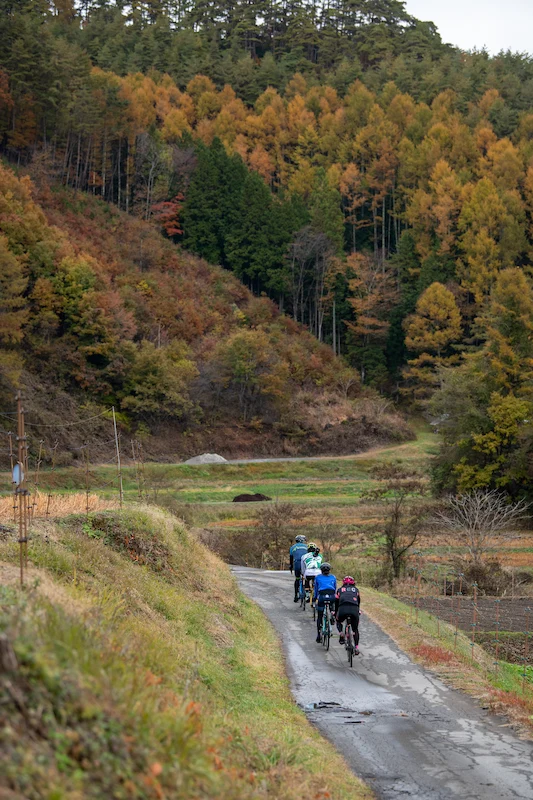
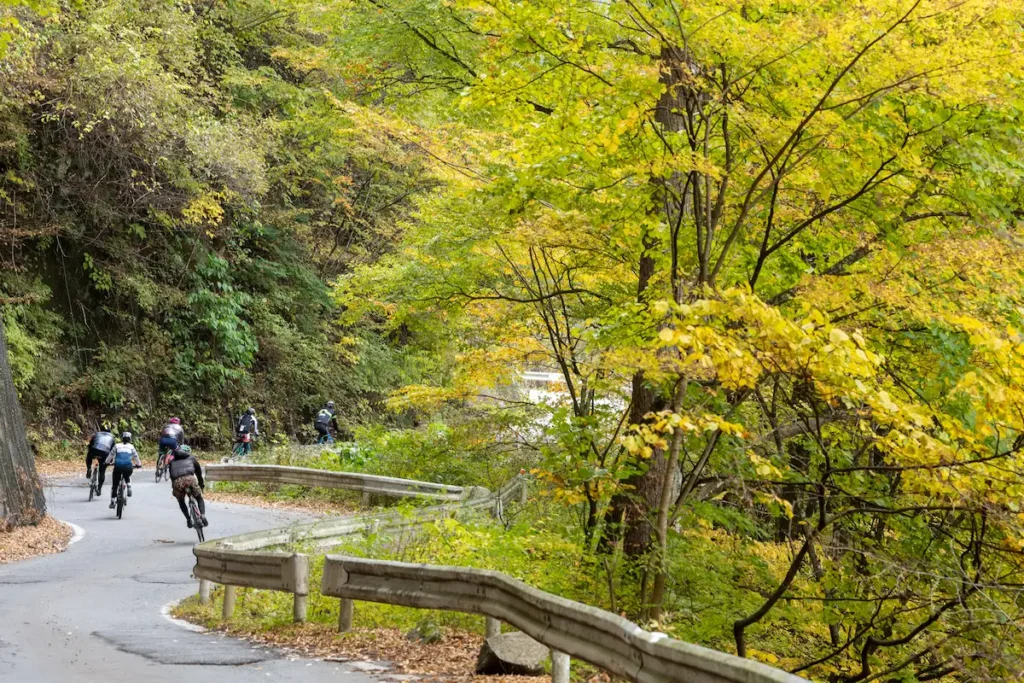
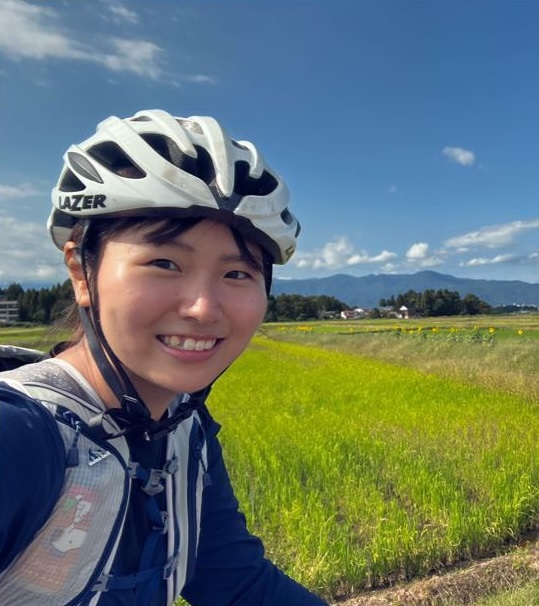
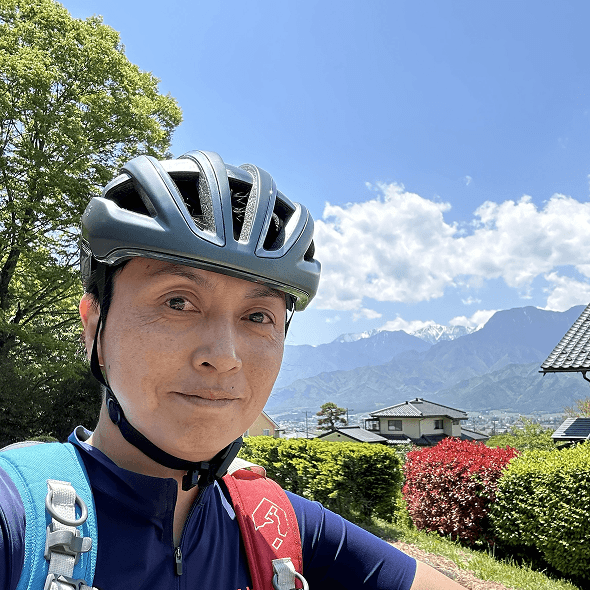
The best way to see fall colours in Japan, is of course by bike. For cyclists in Japan, Autumn is widely regarded as the best season, and there’s no better place for it than Nagano.
As you pedal through the rural areas of Azumino and the Matsumoto Plain, you can take in both the golden rice fields and the trees adorned with autumn colors on the Northern Alps. There is undoubtedly something special about this season.
Riding along quiet backroads with little traffic, watching farmers at work harvesting rice, and feeling the warmth from the Autumn sun on your back as you ride. The small streams you might otherwise miss where the leaves along the water’s edge turn a little earlier than elsewhere. Or the subtle differences in the shades of leaves among different tree species. The sweet scent from katsura trees reminiscent of cotton candy.
This is the Japanese countryside in autumn that can’t be experienced from a car.
Fall Foliage Hiking
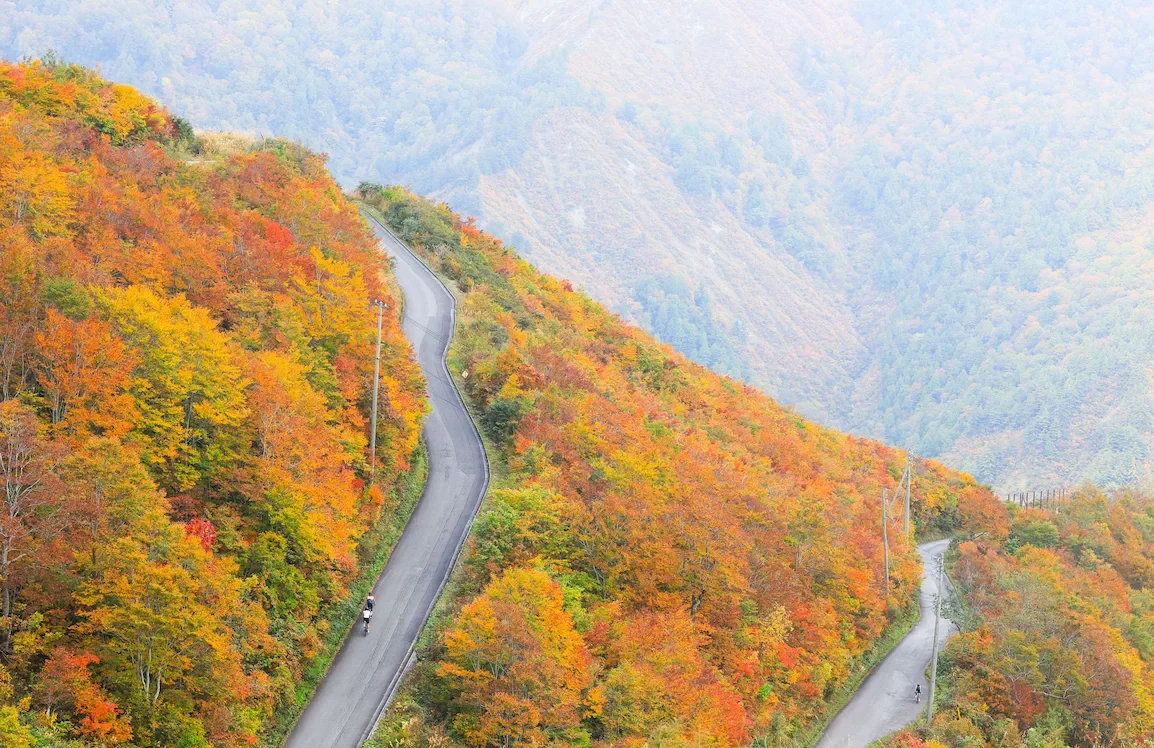
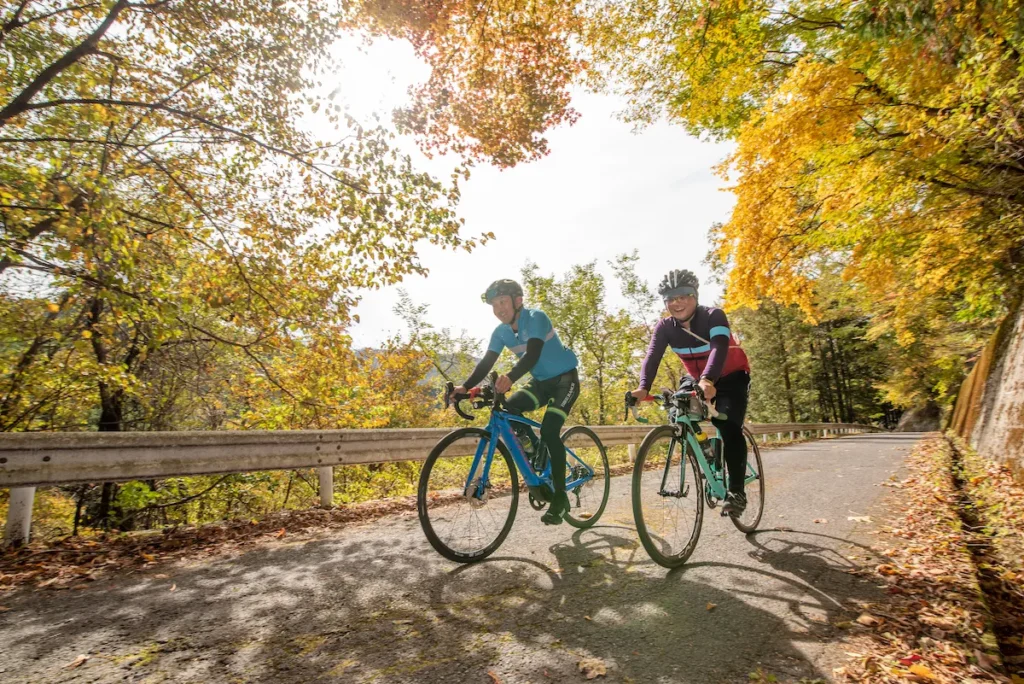
Since the peak viewing period for fall foliage varies by elevation in Nagano’s mountains, you can enjoy the changing colors over a longer period in the Japanese Alps. From the turning of leaves in the high-altitude areas in late September to the foothills in November.
Luckily, walking routes abound, to catch the autumn colours at every point in between.
The ancient trails at the foot of the Northern Alps, such as Kamikochi and the Norikura Highlands, are amongst the best you’ll find in Japan. Or you can head to Nagano’s foothills for a quieter experience.
Hiking here can be challenging at times but often you’ll find after a breathless climb, the view suddenly opens up to reveal mountains blanketed in fall colors. It’s that moment that no photo or story could ever capture. That feeling of thinking, “I’m so happy to be right here.”
Canoeing and Kayaking through Lake Reflections
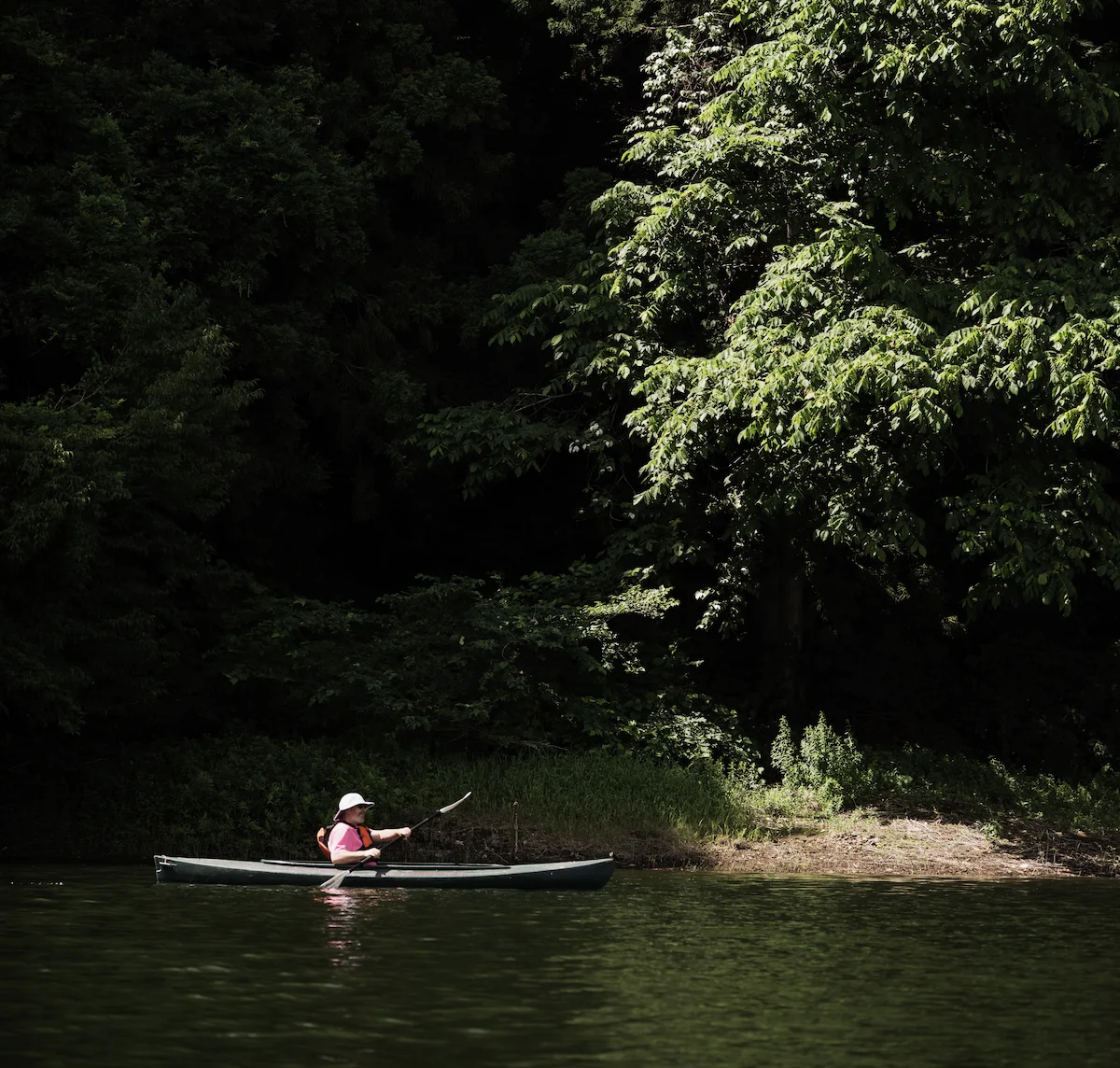
Another incredible spot for Autumn colours is “Lake Aoki.” Yukie used to work as an instructor for kayaking and Canadian canoeing experiences on the lake where she would enjoy observing the maple and momiji trees gradually change shades, surrounding its entire perimeter.
The mountains by the lake are also home to forests of Japanese oak and larch, so during the fall foliage season you can enjoy a 360-degree view of vibrant colors from the water. Gliding across the calm reflections and paddling slowly whilst gazing up at the autumn leaves along the shore is a soothing experience quite different from hiking or cycling.
Why Nagano is the Place to Be for Autumn in Japan
In Nagano, the peak season for autumn foliage varies depending on the elevation. Hence, you can experience the changing colours which gradually descend from high up in the mountains, to the villages and valleys. By which time you’ll find the rice fields are dyed a golden hue.
In other words, if you travel through Nagano’s Shinshu region in the fall, you can experience multiple stages of “autumn” all in one trip.
The Best Spot for Autumn Leaves: Minowa, Nagano
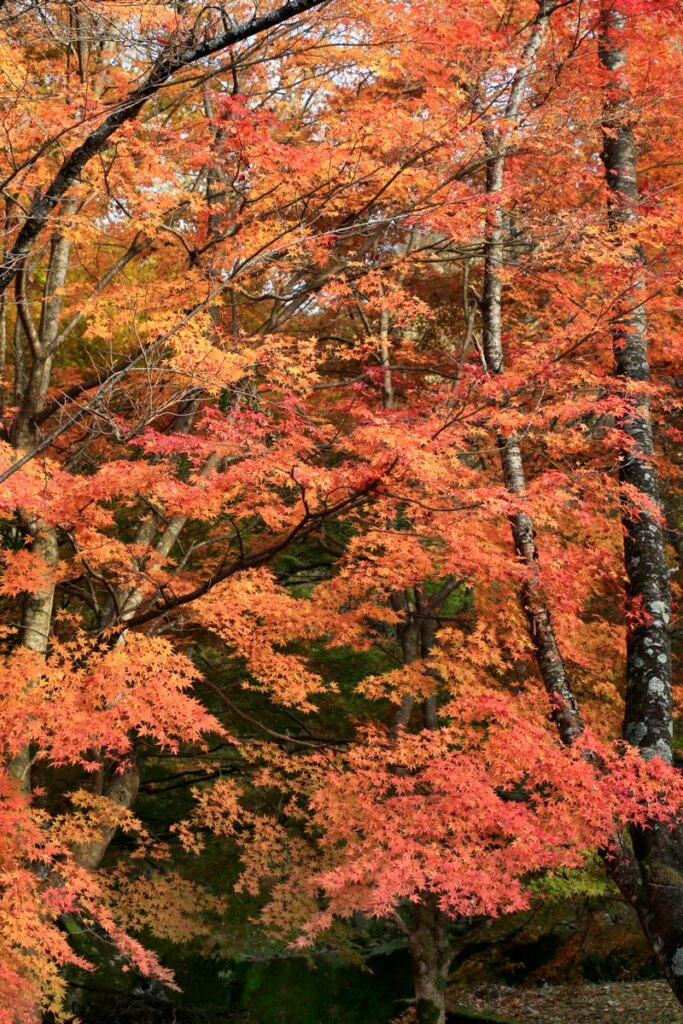
Although Nagano has no shortage of top spots for viewing autumn colours, Yukie’s favourite is Minowa Dam in Minowa-cho, also known as Momiji lake, around an hour’s drive from Matsumoto city.
An impressive 10,000 Momiji maple trees turn hues of red, orange and yellow all at once, creating a vibrant display of colour, and tunnels of turning leaves. The lake is also lit up in dramatic illumination at night making for impressive autumnal views even after sundown.
The Harvest Season in Nagano
As well as views of fall foliage unlike anywhere else, Nagano in autumn also offers the delights of its fresh, harvest season produce.
For a brief period when the summer greenery gives way to fiery autumn foliage, the fields of Nagano are filled with the year’s most delicious produce, often described as a “short yet intense autumn.”
The Shinshu region’s valleys become especially abundant with harvest crops and make for a serene base with plentiful experiences to explore the area by bike or foot, all whilst remaining at arms reach from the hustle and bustle of the city.
Food Highlights of Autumn in Nagano:
- Fresh Soba
When it comes to Autumn in Shinshu, there is no better place to start than fresh soba. Nagano Prefecture is one of Japan’s best known soba regions, and the fresh soba is handmade from buckwheat flour harvested between September and November. The soba at this time is in a class of its own in terms of aroma, sweetness, and the smoothness of the noodle’s texture.
- Chestnuts
Chestnuts from the town of Obuse, also famed for Hokusai’s residence there, have been renowned as a local specialty since the Edo period, and the culture of chestnut confections remains deeply rooted there today. No visit to Nagano is complete without tasting the characteristic fluffiness and melt in the mouth texture of the chestnuts here. Especially in autumn when chestnuts are fresh off the trees.
- Grapes
Another famed product of Nagano are its grapes. In fact, in Autumn here, you can sample two special grape varieties specific to Nagano prefecture: “Queen Rouge” and “Nagano Purple.” “Queen Rouge” is a red, juicy grape that you can eat right off the vine, skin and all. “Nagano Purple” is packed with a very rich sweetness and is a local favourite which is ritually enjoyed when the season comes.
What Your Next Autumn Adventure in Japan Could Look Like
For a quintessential tour of Japan’s very best autumn colours, there is no better place to start than the Salt Road.
This trip outlines one way we might plan a 5-day journey from Matsumoto into the mountains, and on to the sea of Japan.
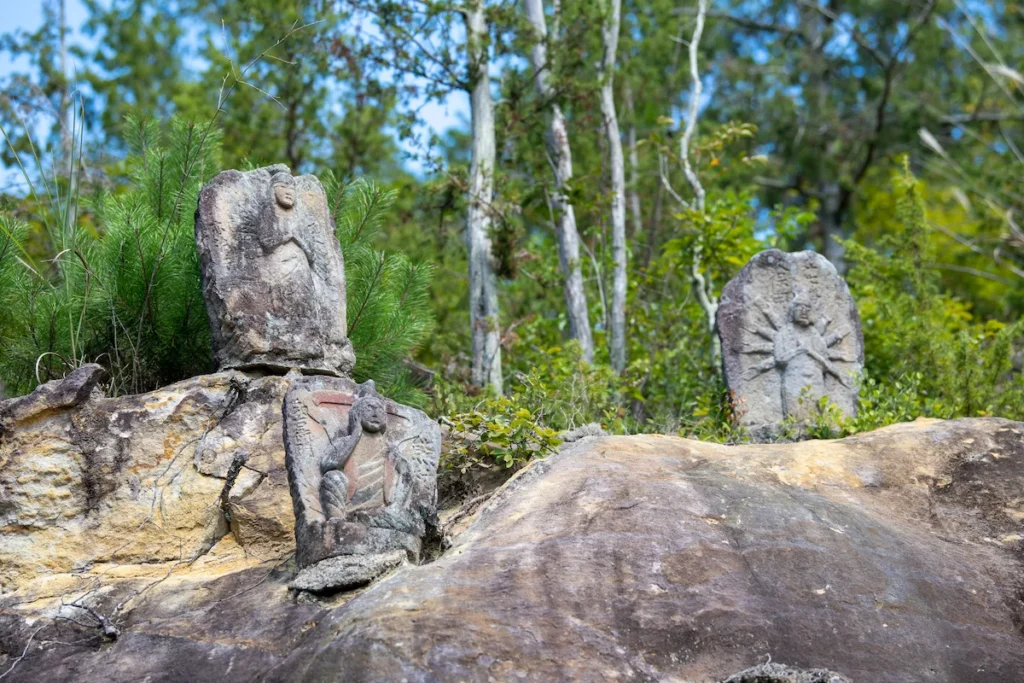
The 5-day route is designed to savour the full essence of autumn in Nagano. We’ll follow the Salt Road, an ancient trail once used to transport salt from the sea of Japan deep into the mountains of Shinshu by foot and handcart, through a combination of e-bike cycling, hiking, and local trains.
From the golden rice fields in the villages to the autumn foliage in the mountains and all the way to the sea, this is a leisurely journey in step with the changing scenery that can only be experienced in autumn.
An Autumn Leaves Itinerary
Day 1: Matsumoto and Relaxed Altitude Acclimatisation
Upon arrival in Matsumoto, take a leisurely stroll around Matsumoto Castle and its surrounding castle town. Admire one of the oldest original castles in Japan, a revered national treasure, and the townscape with its lattice-door houses which stand out beautifully against the clear autumn sky. Knowing that you’ll be heading into the mountains the next day, this relaxed stroll through the town will feel like a pleasant warm-up for your journey ahead.
In the evening, we will arrange a transfer to a secluded retreat nestled in the mountains. There, enjoy the tranquility of the Satoyama style retreat and acclimatise to the crisp autumn air.
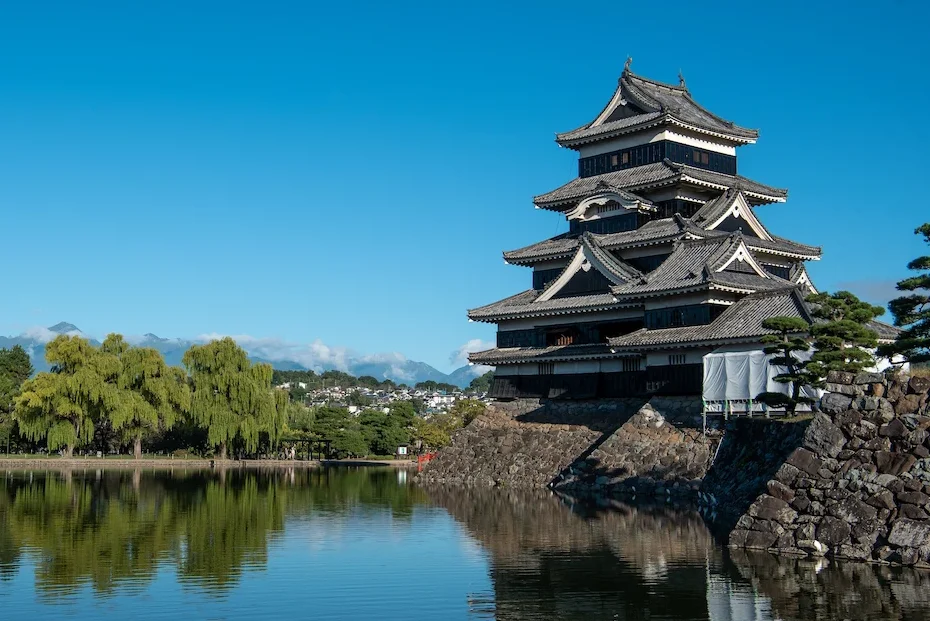
Day 2: The Salt Road: Golden Rice Fields and Autumn Foliage, from Matsumoto to the Kai Alps
The next morning, we’ll set off on e-bikes and begin our journey along the Salt Road.
The moment we reach the Myoko area of Azumino City, the view suddenly opens up. Below lies the Sai River, and beyond it, the Northern Alps, just beginning to turn color. It’s a scene that is unique to autumn, where you can simultaneously enjoy the golden glow of rice fields and the autumn foliage on the mountainsides.
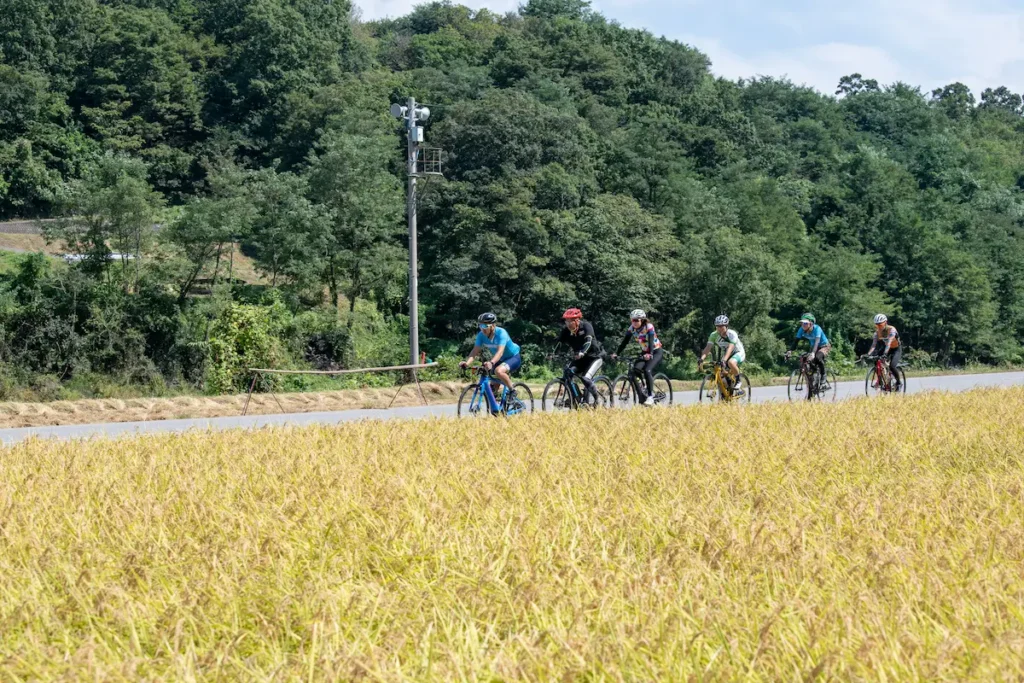
This area isn’t very well known even amongst locals, but it’s home to many wasabi farms. The pure spring water essential for wasabi cultivation flows through small streams which eventually join the Sai River. Following the path of water as you ride is one of the best parts of this route. Thanks to the fresh, abundant water, the area also produces Shinshu salmon, a secret only known to a select few.
Eventually, the road leads to the national treasure of Nishina Shinmei shrine. This ancient shrine is committed to a shikinen-sengu ritual of relocating the main hall every 20 years, and has done this for over a thousand years to date. The space feels even more majestic than usual as you approach the shrine in the glow of the autumn light.
From there, we’ll pass through vineyards just beginning to change color and take a backroad where the Northern Alps rapidly draw closer. After riding along this lesser known route, and covering about 40 km in total, we’ll arrive in the Kai Alps, at your lodging for the night.
Here, sink into the hot spring, fed by underground water from the Northern Alps, to soothe your body after a long journey.
Day 3: A Tour of the Three Lakes to Hakuba
From the Kai Alps, we’ll continue along the Salt Road, gliding past the three lakes of Nishina: Lake Kizaki, Lake Nakatsuna, and Lake Aoki. As the elevation rises, the autumn foliage becomes even more vibrant. The sight of mountain silhouettes and colorful trees rippling on the lake’s surface is a truly magnificent sight.
Staying at a luxury lodge in Hakuba, enjoy terrace views overlooking the Northern Alps and design-led interiors. In the evening, wind down with fine wine and gourmet cuisine.
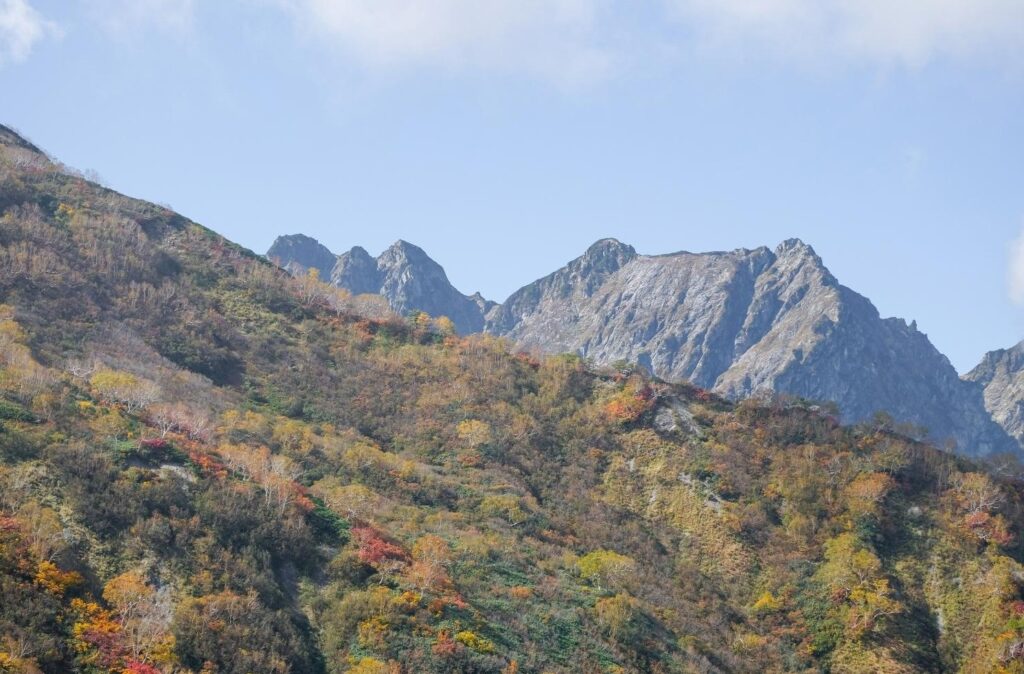
Day 4: Happo Pond, the Mirror in the Mountains
On the second day of your stay in Hakuba, we are swapping the bikes for hiking poles.
Take a series of gondolas and lifts to rapidly gain elevation before setting out on a day hike to Happo Pond, a leisurely round-trip hike of around three hours.
Since the fall foliage season arrives a bit earlier in the high mountains, you’ll encounter fiery hues quite different from the golden shades experienced down in the valley.
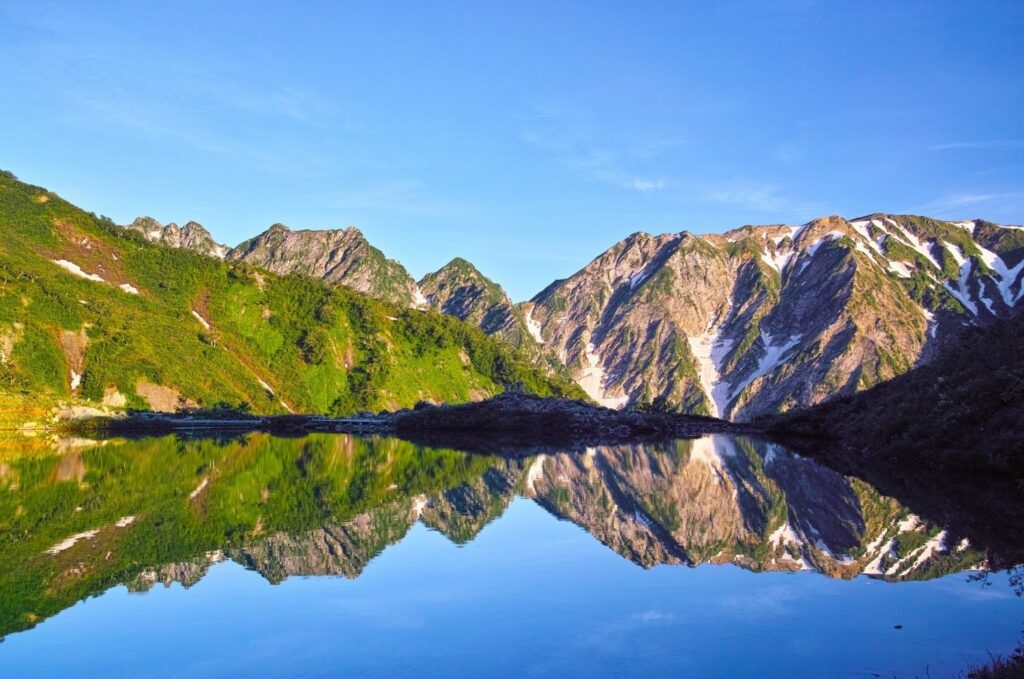
Before you know it, Happo pond will appear before you in all its grandeur, mirroring Hakuba’s three peaks and the autumn sky, a worthwhile reward to the ascent.
Day 5: Riding the Local Train from the Mountains to the Sea
On the final day, take the local train from Hakuba Village to Itoigawa. As the scenery outside the window gradually shifts from the autumn colors of the mountains to the sea, this stretch retraces the Salt Road in reverse.
When you step off the train at Itoigawa Station, you’ll find yourself symbolically at the starting point of the Salt Road and the Sea of Japan, the perfect end point to your 5-day adventure.
For more itinerary inspiration based on your interests, visit our sample Journeys.